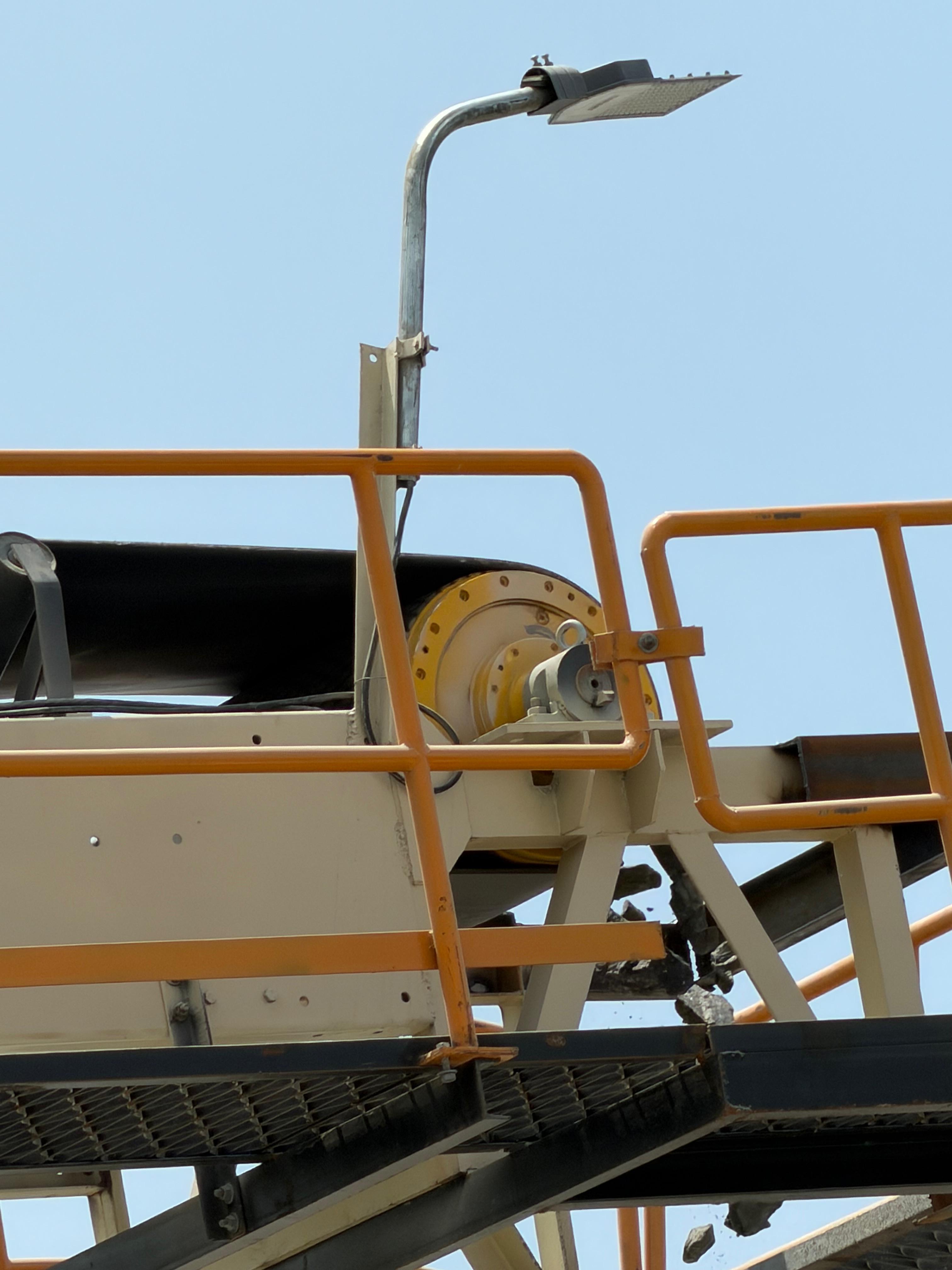
The term conveyor belt application refers to any application where a conveyor system is used to continuously move bulk material and is most often observed in mining, aggregate processing, ports, cement and recycling operations. The drive system selected for that conveyor, whether conventional external motor or sealed drum motor, is often the single most significant factor in how reliably the line operates over its operating life.
Conveyor belts are used to move bulk material in mining, aggregate, port, cement and recycling operations. Sealed drum motors have fewer exposed failure points than conventional external drives and are therefore more suitable for dusty, wet or continuous-duty applications. Long-term reliability starts with the right drive for your specific load, incline and environment.
Conveyor belts are the heart of material flow in mining and mineral processing, and the motor that powers them determines whether a plant runs for years without incident or faces repeated downtime. This guide looks at where conveyor systems are used, why drum motors are becoming the preferred drive across demanding environments and what to look for before specifying one.
Where Conveyor Belts Are Used
Conveyor systems appear wherever bulk material needs to move continuously over distance, from a few metres inside a processing shed to several hundred metres across an open-pit mine.
| Industry | Typical Conveyor Belt Application |
| Mining & mineral processing | Moving crushed ore from primary crushers to stockpiles; feeding ball mills and screening plants; transporting tailings to disposal |
| Aggregate & quarrying | Transporting sand, gravel, and crushed stone between crushing stages and into dispatch loading bays |
| Ports & bulk terminals | Long-distance transfer of coal, grain, and minerals from storage yards to ship-loading points |
| Recycling & waste management | Sorting and transporting shredded material through screening and separation lines |
| Cement plants | Moving raw material and clinker between kilns, mills, and storage silos at high ambient temperatures |
Each of these environments places different demands on the belt and its drive, which is why a single generic drive solution rarely performs equally well across all of them.
Why Drum Motors Suit Demanding Conveyor Environments
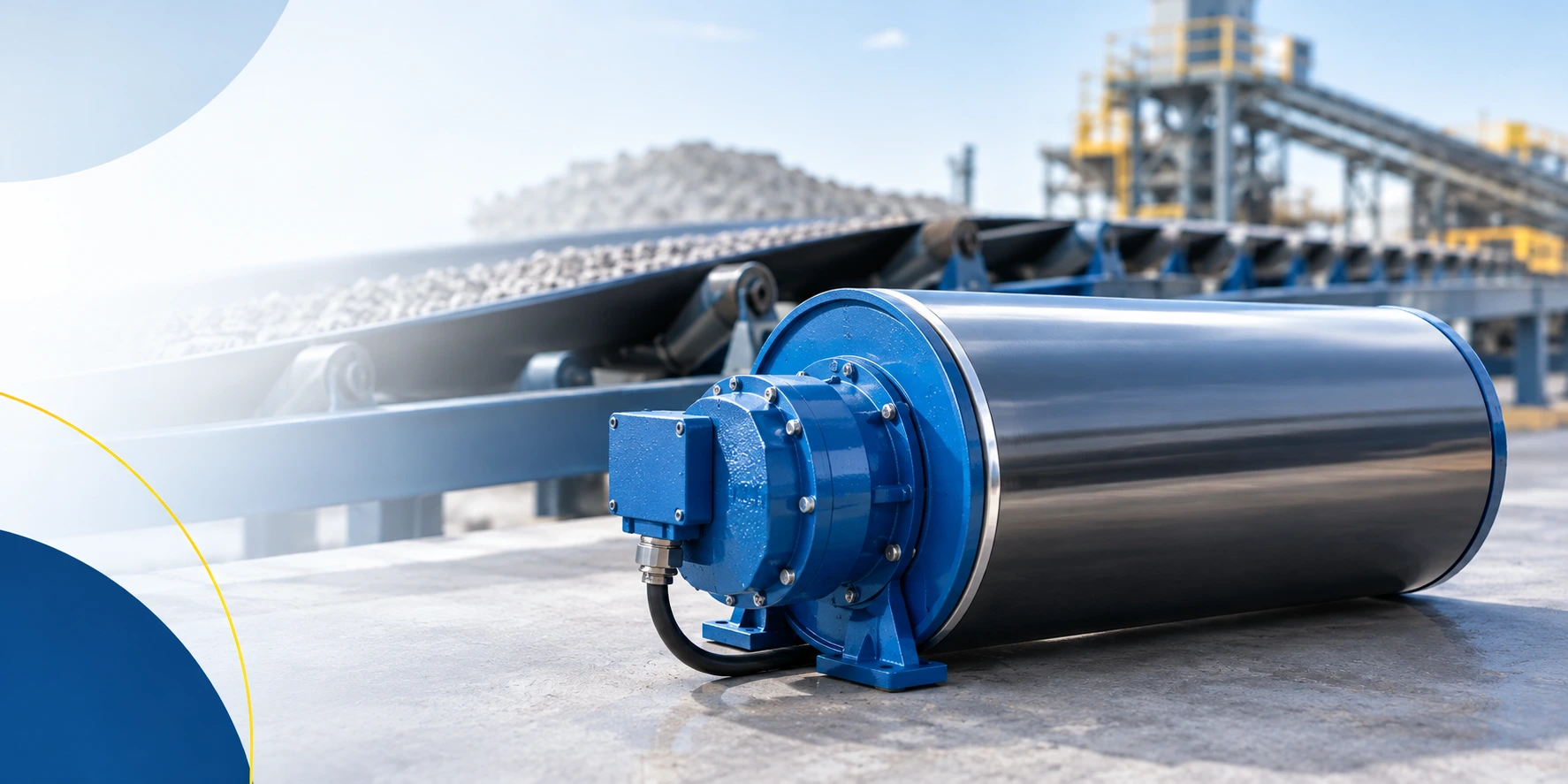
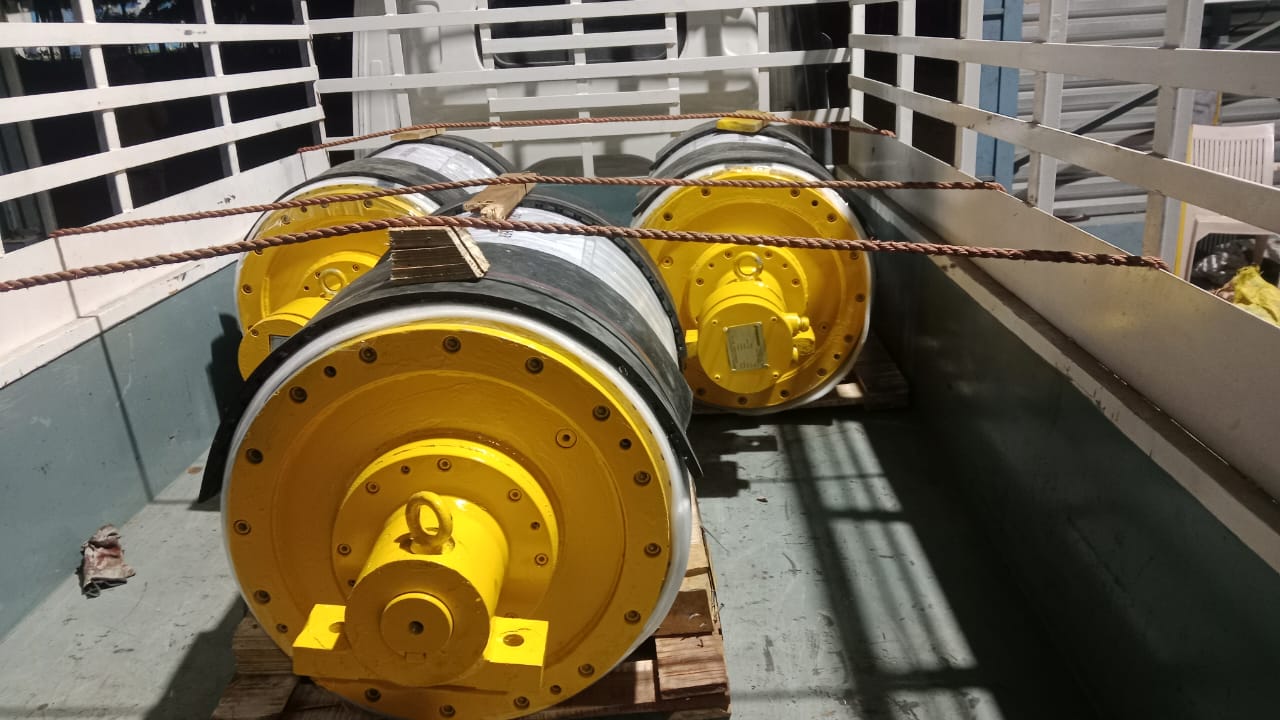
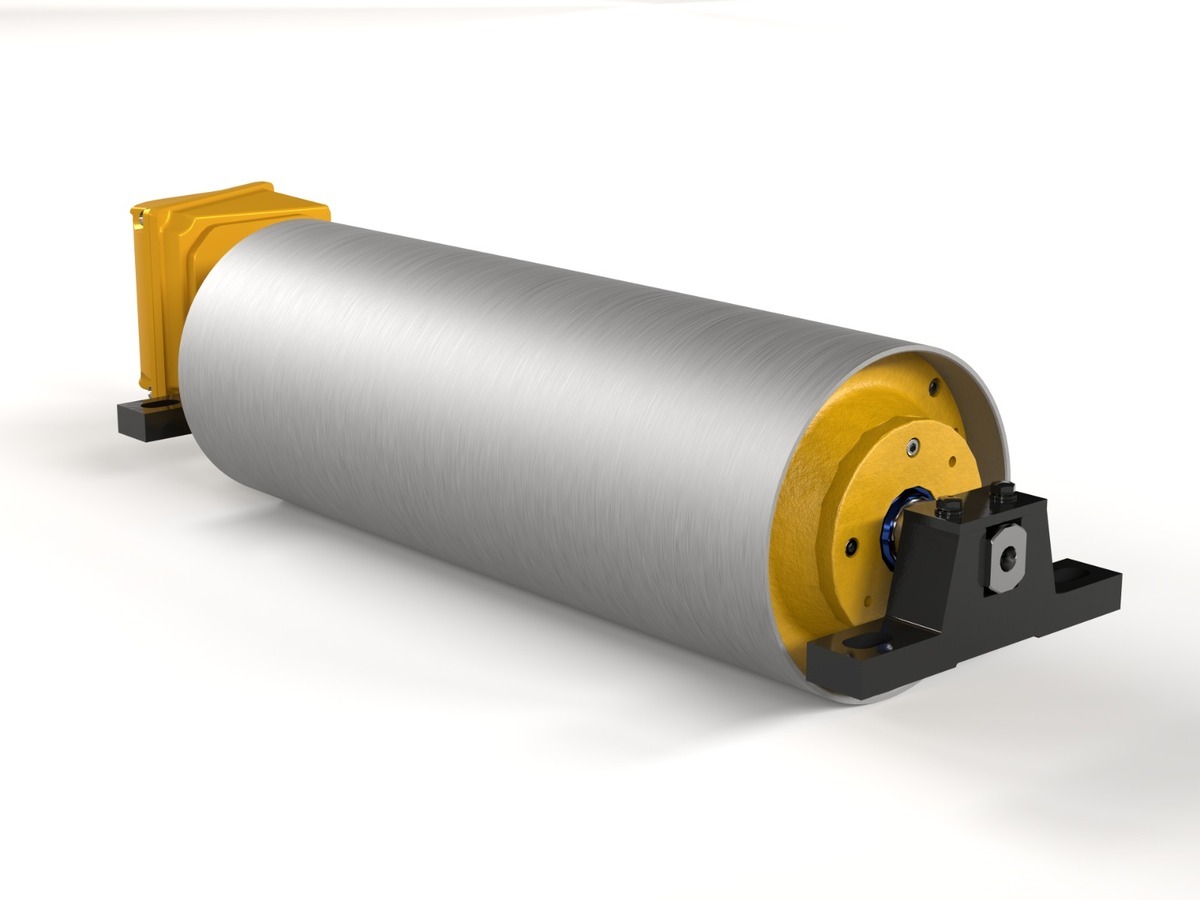
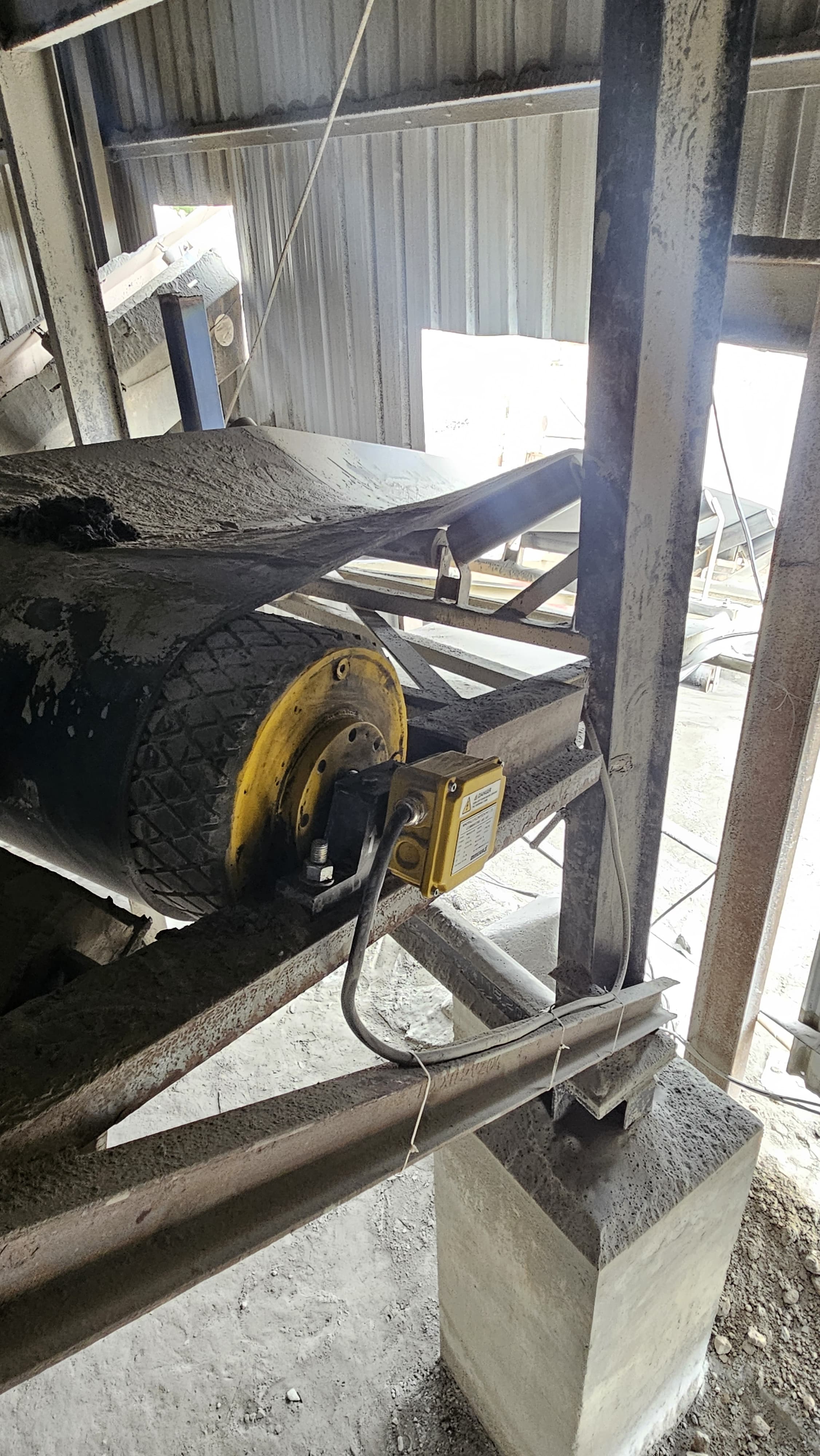
A Conveyor belt drum motor replaces the external motor, gearbox, chain and coupling arrangement of the traditional drive with a single sealed cylindrical unit integral with the head pulley itself. The drive is protected from the dust, water and abrasives that cause most conventional drive failures in mining and aggregate settings because the motor and gearbox are inside the drum.
Conventional drive vs. drum motor:
| Factor | Conventional External Drive | Drum Motor |
| Exposure to dust & moisture | High — open gearbox and couplings exposed | Low — fully sealed unit |
| Guarding required | Yes, external guards needed | No, enclosed by design |
| Noise & vibration | Higher | Lower |
| Footprint | Larger, protrudes from pulley | Compact, integrated into pulley |
| Maintenance frequency | Higher (multiple wear points) | Lower (fewer exposed components) |
| Upfront cost | Lower | Higher |
| Total cost of ownership (continuous duty) | Often higher due to downtime | Often lower over equipment life |
For conveyor belt application in wash plants, coastal ports, or any facility where washdown and high humidity are routine, this sealed construction is usually the deciding factor in specification.
How to Match the Drive to the Application
Not every conveyor belt application calls for the same drive specification. Getting this right depends on assessing a short list of variables before choosing equipment:
- Belt speed and load weight — determines the torque and power rating needed.
- Incline angle — steeper inclines increase load on the drive and may require higher gearing ratios.
- Ambient temperature and duty cycle — continuous heavy-duty operation in mining needs units rated for sustained running hours and high heat.
- Dust and moisture exposure — wet or dusty environments favour sealed drum motors over open conventional drives.
- Available structural space — tight layouts benefit from the compact, protrusion-free footprint of a drum motor.
Working with an experienced Drum motor manufacturer matters here because a short, lightly loaded transfer conveyor inside a covered shed has very different requirements from a long, heavily loaded overland conveyor feeding a crusher in an open-pit mine. Specifying the wrong unit either under-delivers on torque or adds unnecessary cost through oversizing.
A good Drum Motor supplier will be able to recommend the right combination of power rating, sealing class and gearing for your actual duty cycle, not just belt width and speed. Many conveyor systems also incorporate motorised pulleys at return or snub points to assist with belt tracking as well as the main drum motor. By selecting the correct Motor Pulley Manufacturer for these secondary drive points, the whole conveyor line works like a single system, and not just a bunch of individual parts chosen separately.
Why Downtime Drops with the Right Drive Selection
Downtime on a conveyor system rarely comes from the belt itself; it comes from the drive. Conventional external motor and gearbox arrangements accumulate wear at multiple points, including couplings, external bearings, and exposed seals, each representing a potential failure point. Consolidating these into a single sealed drum motor reduces the number of failure points, which directly translates into fewer unplanned stoppages and lower maintenance labour across the life of the conveyor.
The decision usually comes down to total cost of ownership rather than upfront price. A drum motor typically costs more at purchase, but the reduction in maintenance frequency and unplanned downtime over a multi-year operating life often makes it the lower-cost option overall in continuous-duty mining and processing environments.
Conclusion
Choosing the right drive for a given conveyor belt application depends on environmental exposure, duty cycle, and long-term maintenance cost, not belt width and motor power alone. For plants operating in dusty, wet, or continuous-duty conditions, drum motors offer a sealed, low-maintenance alternative to conventional external drives that is increasingly becoming the standard specification across mining, aggregate, ports, and recycling operations.
FAQ
1.What is a conveyor belt application?
It refers to any use case where a conveyor belt system is deployed to move bulk material continuously, such as in mining, aggregate processing, ports, or recycling plants.
2.What industries use conveyor belts the most?
Mining, quarrying and aggregates, cement, ports and bulk terminals, and recycling and waste management are the heaviest users of conveyor belt systems.
3.What is a conveyor belt drum motor?
It is a drive unit where the motor and gearbox are sealed inside the conveyor's head pulley, replacing external motor and gearbox arrangements.
4.Why are drum motors better for dusty or wet environments?
Because the motor and gearbox are fully enclosed, drum motors are protected from dust, moisture, and abrasive material that typically damage exposed conventional drives.
5.Do drum motors need less maintenance than conventional drives?
Yes, since there are fewer exposed components like couplings and open gearboxes, drum motors generally require less frequent maintenance.
6.How do I choose the right drum motor for my conveyor?
The choice depends on belt speed, incline, load weight, ambient temperature, and duty cycle, which is best assessed with guidance from an experienced drum motor manufacturer.
7.Are drum motors more expensive than conventional motor and gearbox setups?
The upfront cost is usually higher, but lower maintenance and downtime over the equipment's life often make drum motors more cost-effective overall.
8.What role do motorized pulleys play in a conveyor system?
Motorized pulleys support belt tracking and drive at secondary points like return or snub locations, working alongside the main drum motor to keep the belt system balanced.
9.Can drum motors handle heavy-duty continuous operation?
Yes, drum motors built for industrial duty are designed for sustained running hours and heavy loads typical of mining and aggregate processing.
10.What should I look for in a drum motor supplier?
Look for a supplier who evaluates your actual operating environment and duty cycle, not just belt width and speed, to recommend the correctly rated unit.
.jpeg)
.jpeg)