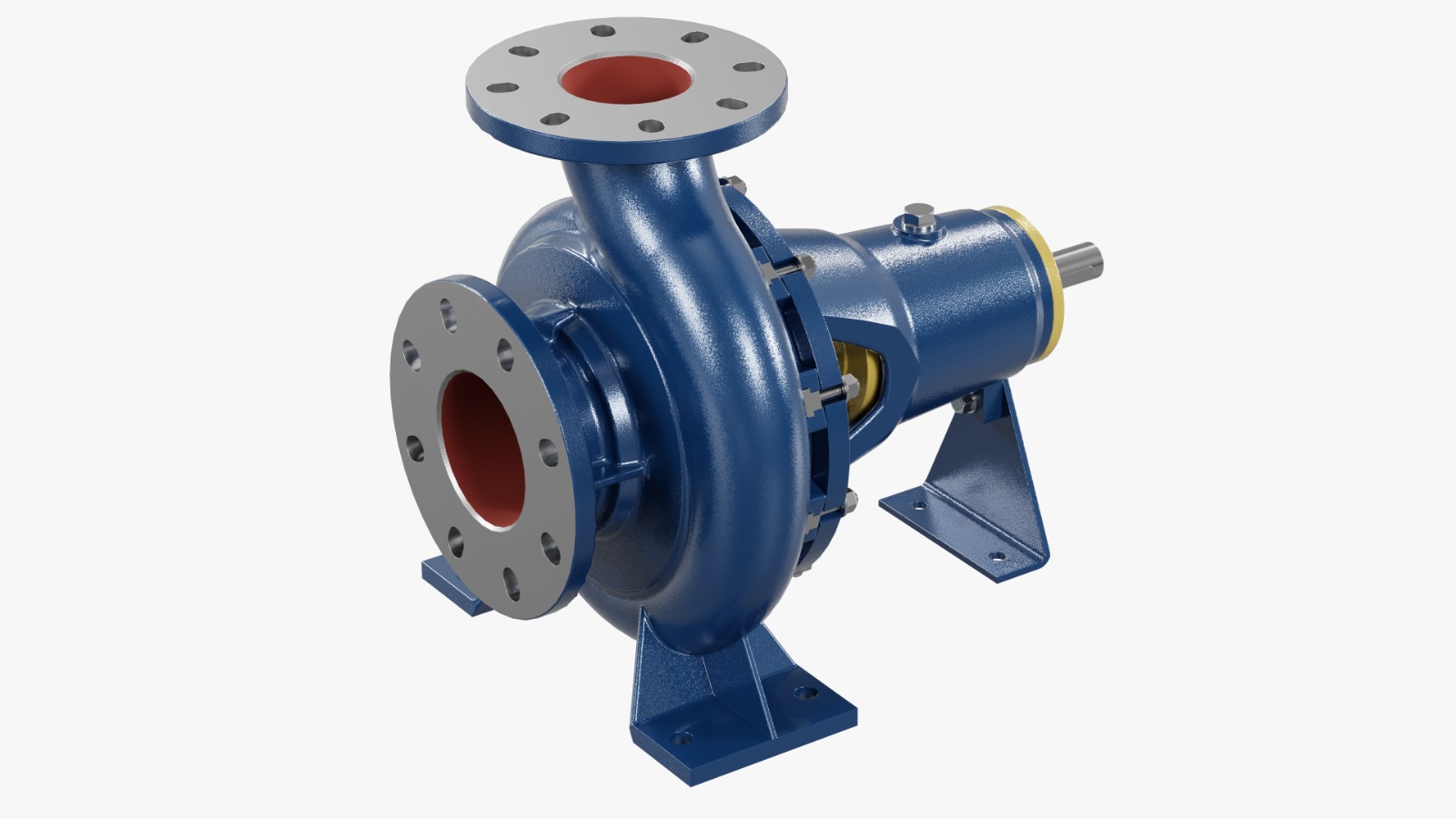
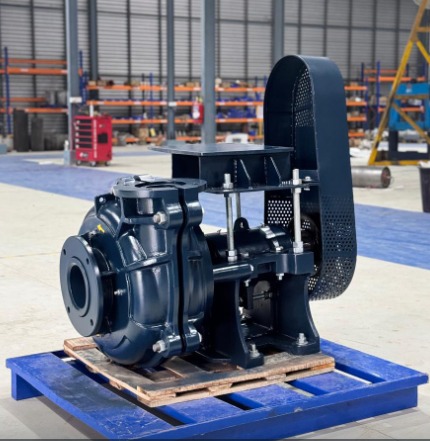
How to Choose a Leading Slurry Pump Manufacturer in India: A Buyer's Checklist
When it comes to choosing the leading pump manufacturer in India for slurry applications, four things really count. Purpose-built slurry engineering, not adapted general-purpose pumps. Proven wear-resistant materials. Local spare parts availability. And a track record in similar applications to yours. The best way to reduce slurry pump downtime over the life of the equipment is to get the evaluation right at the procurement stage.
Don’t just choose a slurry pump manufacturer based on price – assess them on purpose-built engineering, wear-resistant material options, local spare parts availability and a proven track record in applications similar to yours. The more reliable choice is generally the manufacturer that asks about the specific properties of your slurry before quoting.
India’s mining & mineral processing sector has seen steady growth and with it, the number of companies claiming to be Pump manufacturers servicing this space has also grown. They do not all have the engineering depth to handle abrasive, high-density slurry in particular. This guide discusses what really makes a reliable long term supplier stand out from one that looks good on a quotation, but fails under real load.
Why Slurry Pump Selection Differs from Standard Pump Procurement
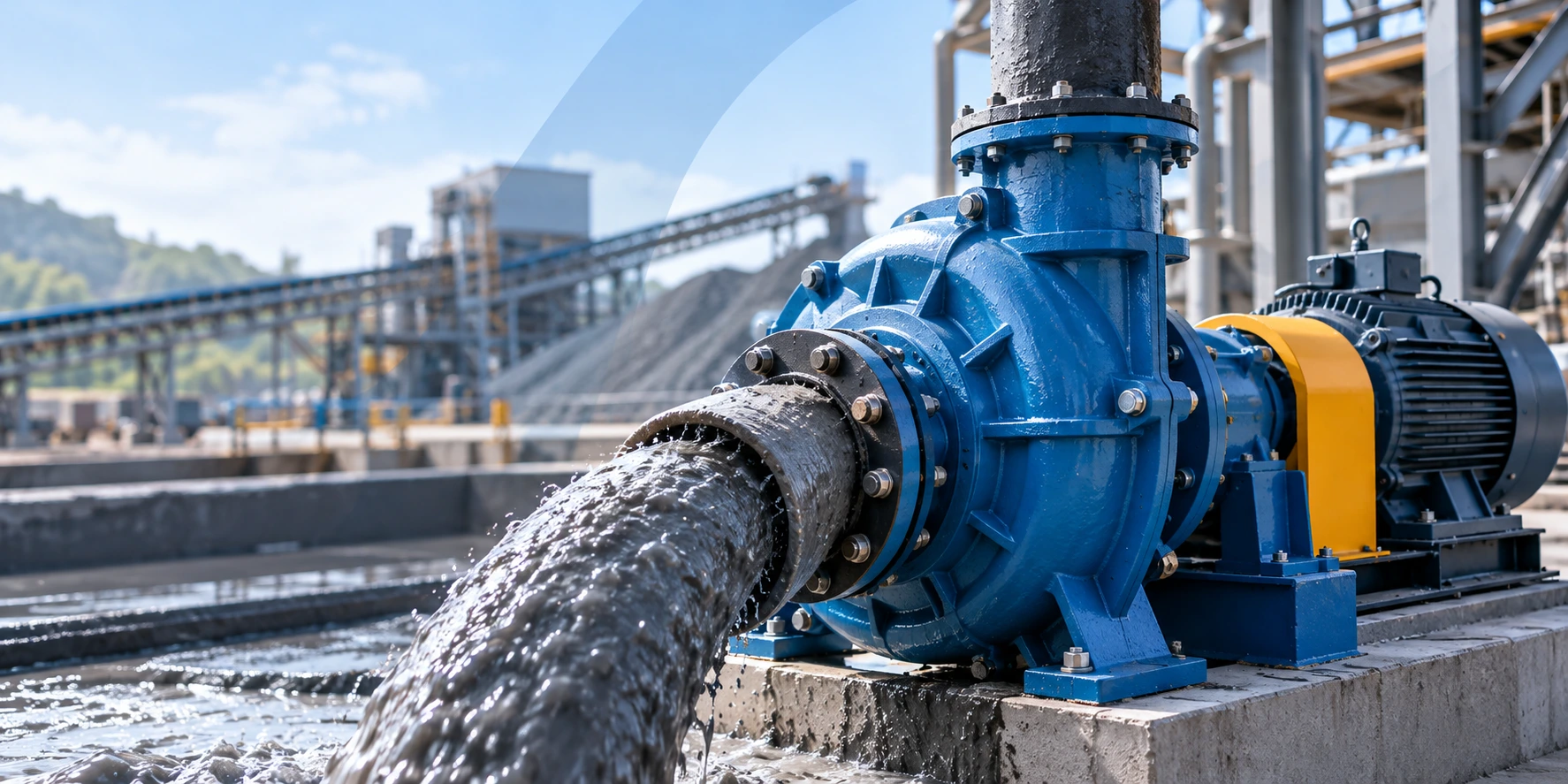
Slurry pumps move a mixture of liquid and abrasive solid particles, often at high concentration, which accelerates wear on impellers, liners, and seals far beyond what conventional pumps experience. A pump not specifically engineered for this duty wears out quickly regardless of how well it performs on paper.
| Standard Centrifugal Pump | Purpose-Built Slurry Pump |
| Designed for clean liquid transfer | Designed for abrasive solid-liquid mixtures |
| Standard wear parts | Hardened or rubber-lined wear parts |
| Standard shaft/bearing sizing | Oversized shaft and bearings for radial slurry loads |
| Impeller optimised for flow efficiency | Impeller optimised to minimise turbulence and wear |
| Short wear life in slurry duty | Extended wear life under abrasive conditions |
This is where it is important to look at wear resistant materials and impeller design as you assess a slurry pump manufacturers shortlist and not just pump specifications in general.
Checklist: What to Look for When Evaluating a Pump Manufacturer
- Purpose-built slurry design — Ensure the manufacturer designs pumps specifically for heavy duty slurry pumps applications, not modified general purpose centrifugal pumps. They should be able to talk in detail about wear-part metallurgy and impeller geometry, not just spout off flow rate and head figures.
- Material options — Check whether they offer both high-chrome alloy and natural rubber lining, and can recommend the right one based on your specific ore or process slurry characteristics.
- Spare parts availability — Local stock availability and quick turnaround on liners and impellers. An industrial slurry pump that operates 24/7 can’t wait long for wear parts.
- Track record in comparable applications — Look for documented installations in mineral processing, ash handling, or mining dewatering similar to your own operation, since slurry characteristics vary significantly across industries.
- Technical consultation before quotation — A manufacturer who asks about particle size, concentration, pH, and flow requirements before recommending a pump is engaging with the application properly.
Things to Watch out For
| Warning Sign | What It Usually Means |
| Vague answers on wear-part material composition | Limited engineering depth in slurry-specific design |
| No wear-life data or case studies from similar applications | Unproven track record for your use case |
| Pricing far below market average | Likely cut corners on metallurgy or casting quality |
| Quotes based only on flow rate and head, no questions about the slurry itself | Treating a slurry job like a standard water transfer application |
Slurry pumps that fail prematurely due to substandard wear parts almost always cost more in downtime, replacement, and lost production than the initial price difference ever saved.
Material Comparison: High-Chrome Alloy vs. Rubber Lining
| Material | Best Suited For | Considerations |
| High-chrome alloy | Coarse, high-density, sharp-edged particles | Higher hardness, better for high-velocity abrasive slurry |
| Natural rubber lining | Fine particles, moderate concentration | Better resistance to corrosion and impact at lower velocities |
A Slurry pumps manufacturer in India offering both, and able to recommend based on your slurry's actual characteristics, demonstrates a level of application knowledge a single-material supplier typically can't match.
The Value of Working with an Established Manufacturer
Plants that build long-term relationships with a single trusted pump manufacturer, rather than sourcing from whichever supplier offers the lowest price each time, tend to see measurably better uptime over the years. An established manufacturer becomes familiar with a plant's specific slurry characteristics over repeated orders, and consistent sourcing simplifies spare parts inventory and maintenance planning.
Conclusion
Identifying genuinely leading pump manufacturers in India comes down to engineering depth, material expertise, and proven experience with slurry applications similar to your own, not catalogue specifications or upfront price alone. Plants that invest the time to properly evaluate a manufacturer's design approach, wear-part materials, and after-sales support consistently see fewer failures and lower total cost of ownership than those that select on price alone.
FAQ
1. What makes a leading pump manufacturer in India different?
Key differentiators are engineering expertise in slurry-specific design, quality wear-resistant materials, proven installations, and reliable after-sales support.
2. Why is a normal centrifugal pump not suitable for slurry applications?
Standard pumps are not designed for abrasive solid particles and wear out rapidly and fail much sooner than specially designed slurry pumps.
3. What are the materials of slurry pump wear parts?
The most commonly used wear-resistant materials are high-chrome alloy and natural rubber lining, which are selected according to the particle size and slurry properties.
4. How can I know that a slurry pump manufacturer has real application experience?
They will ask detailed questions about your slurry particle size, concentration, and flow requirements before recommending a pump model.
5. Why is it important to work with a pump manufacturer that has spare parts in stock?
Plants operate 24/7, so they can’t wait for a new liner or impeller to arrive, so local stock and fast turnaround are key.
6. What red flags should you be looking for in a slurry pump supplier?
Ambiguous answers on wear part materials, lack of case studies from similar applications, and prices well below the average on the market are all warning signs.
7. Is it better to buy from one pump manufacturer or from multiple sources?
Choosing to work with a single trusted manufacturer often results in improved uptime because they understand the specific slurry conditions that you have through multiple orders.
8. What should I ask a manufacturer when asking for a quote?
Before you start talking about price, find out how they determine wear-part material and impeller design for your particular slurry type.
9. Are heavy-duty slurry pumps more expensive than standard pumps?
Yes, but the higher first cost is normally offset by a much longer wear life and fewer unplanned failures.
10. What are the major industries in India using slurry pump manufacturers?
In India, the largest users of slurry pumps are in mining, mineral processing, ash handling, and industrial dewatering.
.jpeg)
.jpeg)