How to Choose a Slurry Pump Manufacturer in India
Ask anyone who's run a mineral processing plant for more than a few years, and they'll tell you the same thing: the pump that looks fine on paper isn't always the pump that survives six months of real slurry. Somewhere between the quote and the installation, something got missed , the wrong liner material, an impeller that couldn't handle the actual solids load, or a supplier who vanished the moment a spare part was needed.
That's really the whole game when it comes to picking slurry pump manufacturers: it's not about who quotes the lowest number, it's about who actually understands what your slurry is going to do to their equipment.
Why This Decision Is Harder Than It Looks
On a spec sheet, most slurry pumps look fairly similar , flow rate, head, horsepower, done. But two pumps with identical numbers can behave completely differently once they're handling your actual material. Particle size, solids concentration, pH, and duty cycle all change what "the right pump" means for your site. A manufacturer who treats every order like a catalogue pick, rather than asking about your slurry conditions, is already telling you something about how the rest of the relationship will go.
What Separates a Good Slurry Pump Manufacturer From an Average One
1. They ask before they quote. A manufacturer worth working with will want to know your solids percentage, particle size, and duty cycle before giving you a number. If you get a price before anyone asks a single question about your slurry, treat that as a yellow flag.
2. They manufacture wear parts in-house. Casting and machining their own impellers and liners usually means tighter quality control and faster turnaround when something needs replacing. Outsourced parts can mean longer waits and inconsistent tolerances.
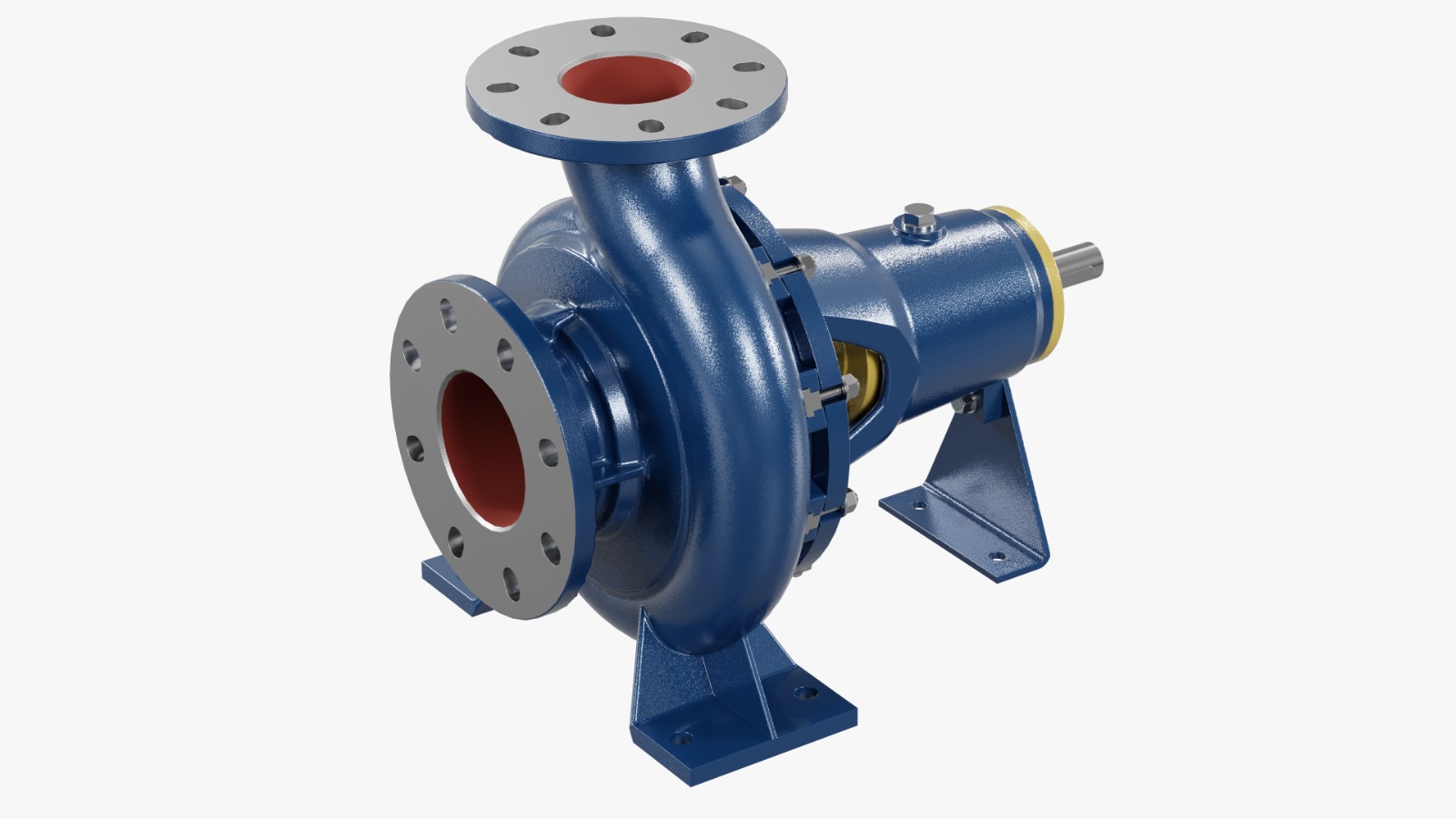
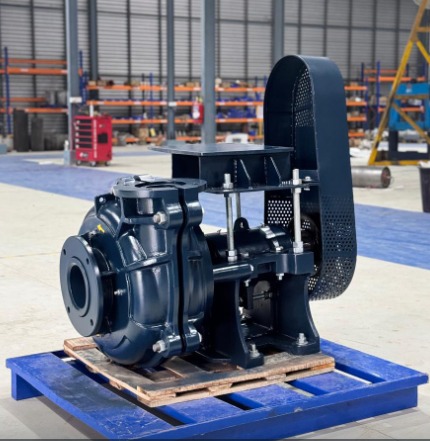
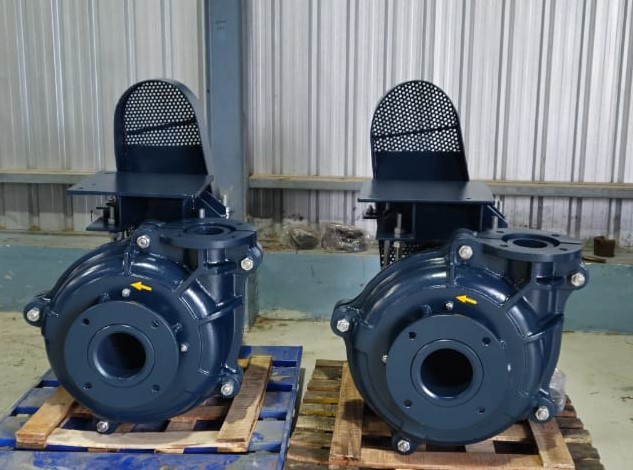
3. They offer heavy duty slurry pumps, not just standard catalogue models. If your operation runs coarse, abrasive, high-concentration slurry, a standard pump simply won't hold up. You need a manufacturer who can build heavy duty slurry pumps , thicker wear-resistant casings, high-chrome liners, impellers designed for abrasion rather than just flow efficiency.
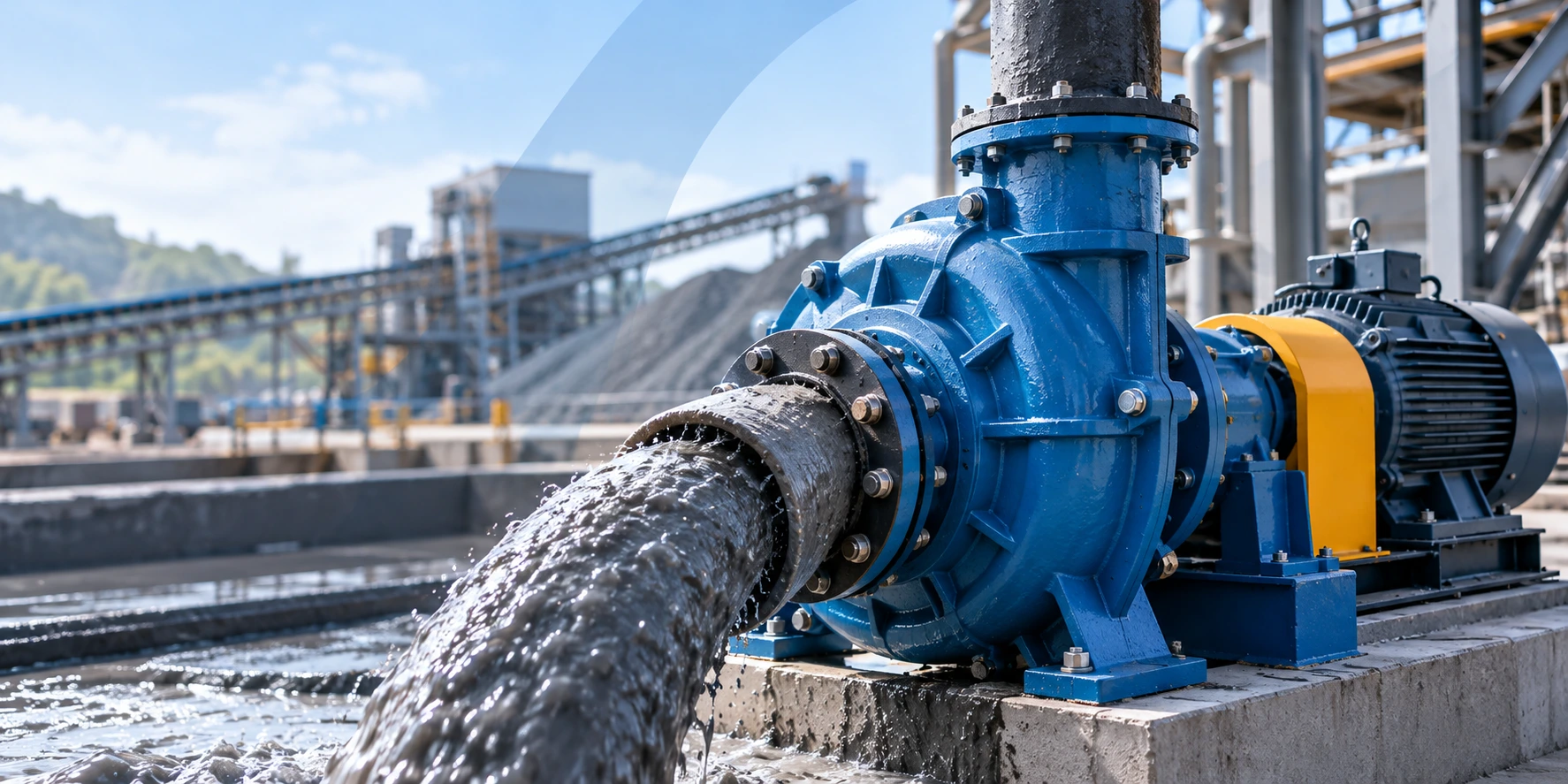
4. They understand mineral processing, not just general pumping. There's a real difference between a pump supplier who mostly sells to water treatment plants and one who's spent years working on mining and mineral separation circuits. The second kind knows what an industrial slurry pump actually goes through in a day.
5. Spares are available without a six-week wait. Ask directly: how fast can you get a replacement liner or impeller if mine fails on a Tuesday? The answer tells you a lot.
Why "Made in India" Still Matters Here
There's a practical argument for working with a slurry pumps manufacturer in India rather than importing: faster delivery, easier communication on custom specs, and support that doesn't disappear into a different time zone when something goes wrong. Import pumps can look appealing on price, but by the time you've factored in shipping delays and customs on spare parts, the math often doesn't favour them , especially for equipment you'll need to service repeatedly over its working life.
A Quick Checklist Before You Sign the Order
| Question to Ask | What a Good Answer Sounds Like |
| Do you build wear parts in-house? | "Yes, cast and machined on-site." |
| Can you handle our solids concentration and particle size? | A specific answer, not a generic "yes" |
| What's your typical spare parts lead time? | Days, not weeks |
| Do you offer heavy duty configurations for abrasive slurry? | Clear yes, with material specifics |
| Will you support installation and commissioning? | Not just "we'll ship it" |
Don't Forget What's Downstream
If your slurry pump is feeding a hydrocyclone for classification, pump and cyclone sizing need to work together , an undersized pump starves the cyclone of pressure, and an oversized one just burns energy. Good hydrocyclone separator suppliers will usually ask for your pump specs before recommending a cyclone size, because the two pieces of equipment are really one system, not two separate purchases.
The Bottom Line
Choosing between slurry pump manufacturers isn't about finding the cheapest quote , it's about finding the one who understands your slurry, builds for abrasion rather than just flow, and sticks around after the invoice is paid. Ask the right questions upfront, and you'll spend a lot less time chasing spare parts later.
Frequently Asked Questions
1. What questions should I ask a slurry pump manufacturer before ordering?
Ask about solids concentration handling, in-house manufacturing of wear parts, spare parts lead time, and whether they support installation and commissioning.
2. Is it better to buy from an Indian slurry pump manufacturer or import one?
For most operations, a slurry pumps manufacturer in India offers faster delivery, easier custom specification, and quicker spare part turnaround compared to importing.
3. What makes a slurry pump "heavy duty"? Heavy duty slurry pumps
use thicker wear-resistant casings and high-chrome liners designed for coarse, abrasive, high-concentration slurry, unlike standard models built for lighter duty.
4. How do I know if a manufacturer actually makes their own wear parts?
Ask directly, and ask to see their casting or machining facility if possible , manufacturers proud of in-house production are usually happy to show it.
5. Can one industrial slurry pump handle multiple types of slurry?
Not reliably. Pumps are sized and lined for a specific particle profile and solids concentration, so a major change in slurry type usually calls for re-evaluating the pump.
6. How fast should spare parts be available after I order a pump?
This varies by manufacturer, but you want a clear, specific answer , days rather than weeks , especially for commonly worn parts like liners and impellers.
7. Do slurry pumps need to be matched with a hydrocyclone?
In circuits that require particle classification, yes , pump pressure and hydrocyclone size need to be matched for the circuit to perform as intended.
8. What's the biggest mistake people make when choosing a slurry pump manufacturer?
Choosing based on the lowest quote without asking about solids handling capability, spare parts availability, or after-sales support , all of which affect total cost over the pump's life.
9. Can a manufacturer customise a slurry pump for my specific plant conditions?
Yes, manufacturers with in-house engineering can adjust impeller design, materials, and sizing to your duty point rather than offering only standard catalogue sizes.
10. How long should a well-matched slurry pump last in mining service?
With correct sizing and routine wear-part inspection, a well-matched industrial slurry pump can run for years in continuous mining service; mismatched pumps often fail within months.
.jpeg)
.jpeg)