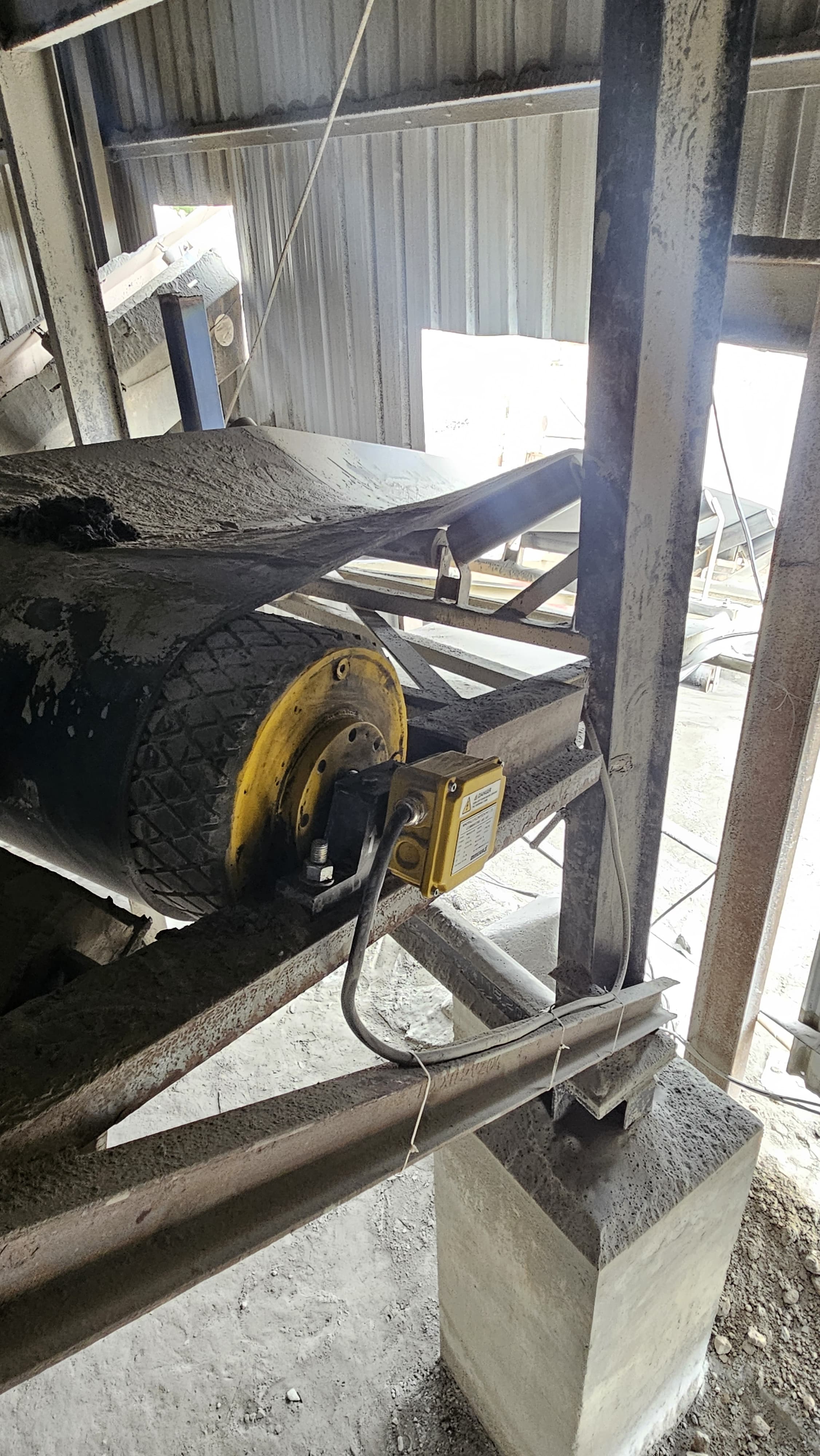
Picking the right motor pulley manufacturer is one of those decisions that looks simple on paper and gets expensive fast when it's done wrong. A motor pulley , also called a drum motor , sits inside your conveyor drum and drives the belt directly, so a bad choice doesn't just cost you the unit price. It costs you unplanned downtime, belt slippage, and a maintenance team pulling off other jobs to fix something that should have run quietly for years.
Plants across mining, cement, ports, and bulk material handling in India are increasingly moving away from conventional external drives toward motor pulleys, precisely because sealed, low-maintenance drive units make sense in dusty, high-load environments. But the market has no shortage of suppliers, and specification sheets can look nearly identical while build quality varies enormously. This guide walks through what actually separates a reliable motor pulley manufacturer from one that will leave you stranded mid-shift, and how to evaluate a quote beyond the number at the bottom.
What Is a Motor Pulley and Why Does It Matter?
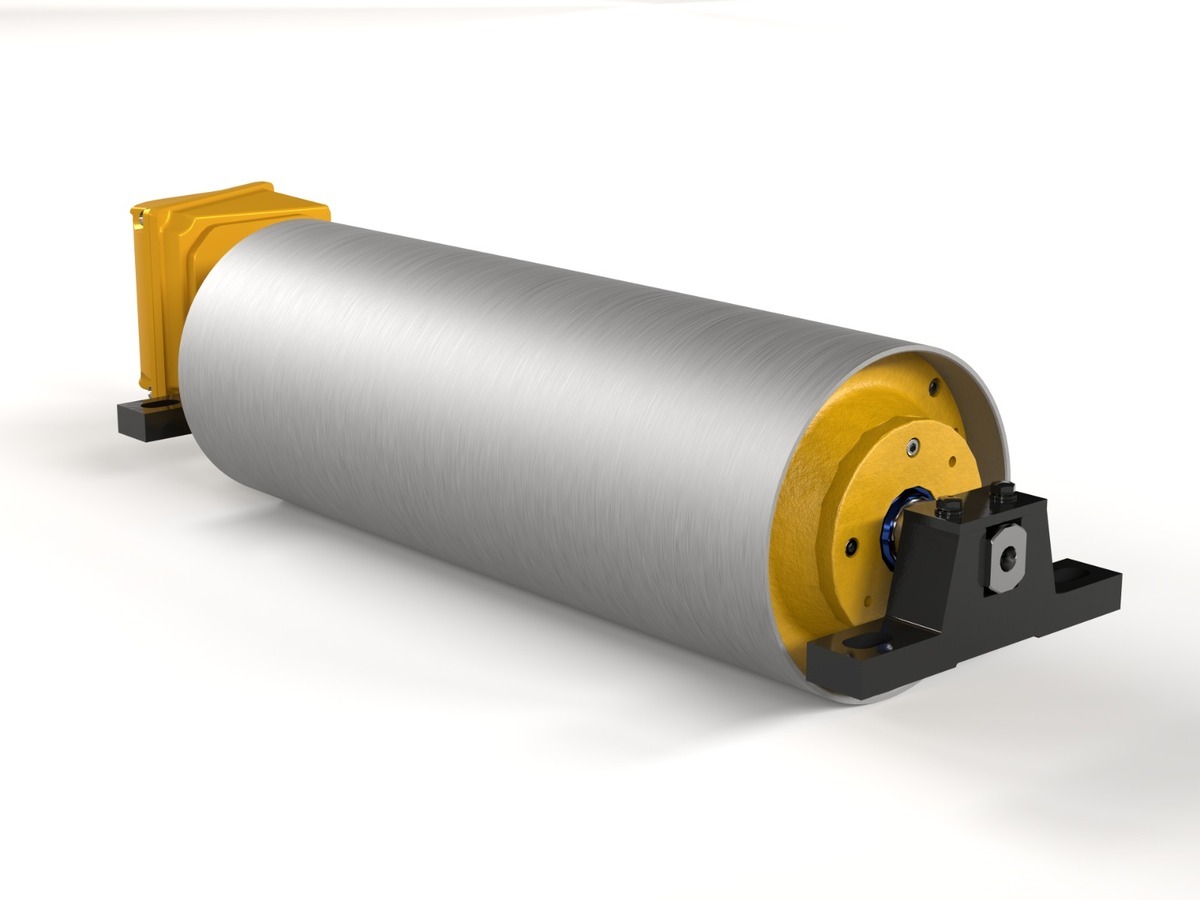
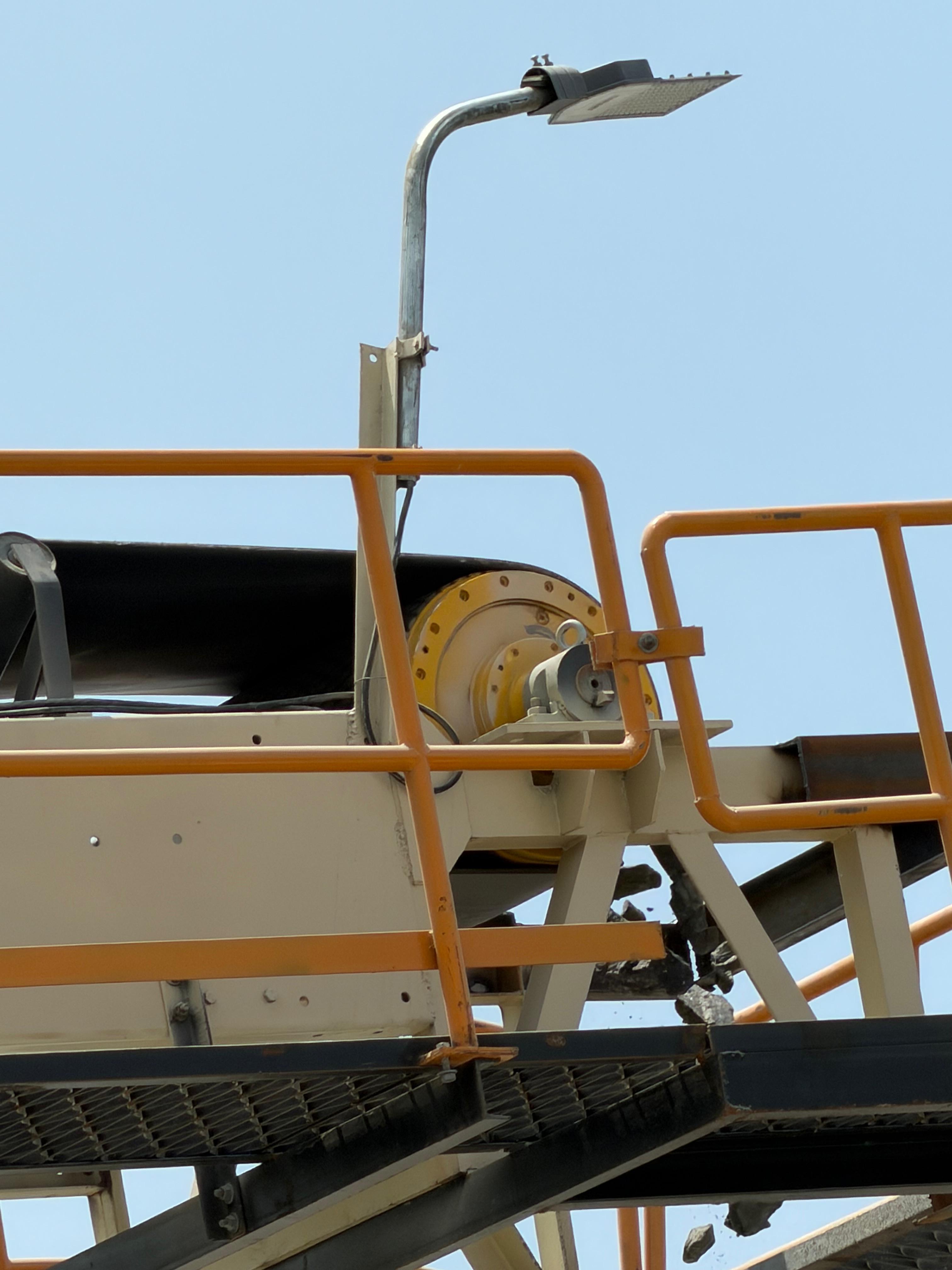
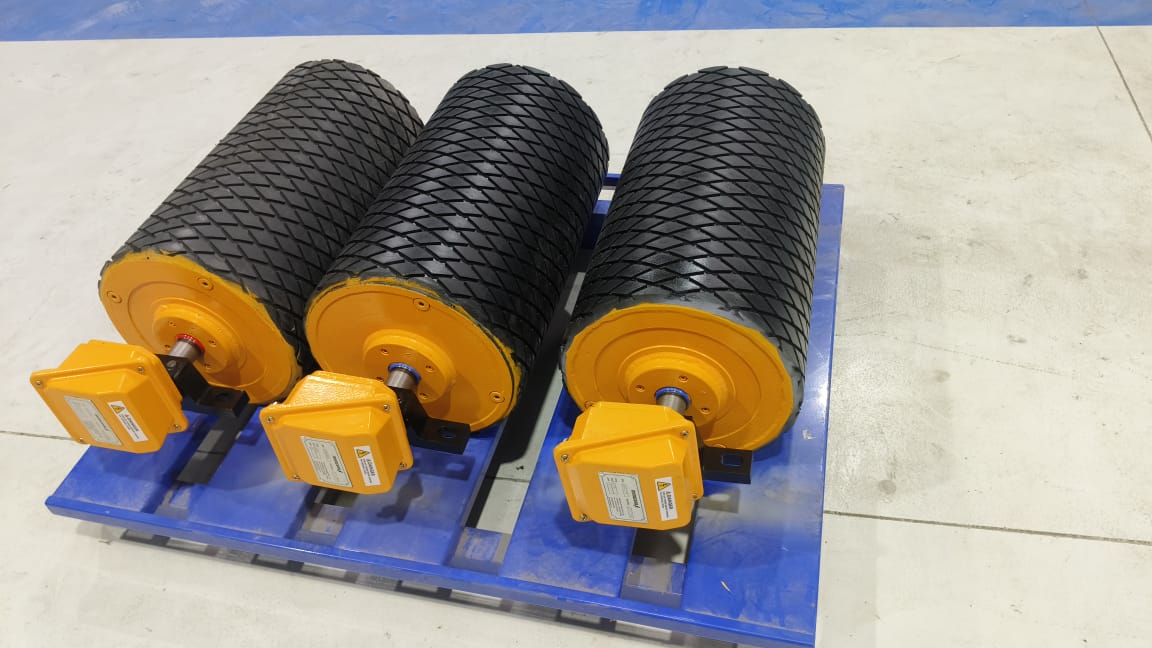
A motor pulley is a fully enclosed drive unit , motor, gearbox, and bearings sealed inside a steel drum , that replaces the external motor, coupling, gearbox, and guarding setup used in conventional conveyor drives. Because everything is sealed inside one housing, it's naturally protected from dust, moisture, and material spillage, which is exactly the environment most Indian mining, cement, and bulk-handling plants run in day to day.
This matters more than it might first appear. Conventional drives expose their moving parts , motor shaft, coupling, open gearbox , to the same dust and material fines that the conveyor itself is carrying. Over time, that exposure is what drives premature bearing wear, coupling misalignment, and lubrication contamination. A motor pulley sidesteps all of it by design.
| Conventional external drive | Motor pulley (drum motor) |
| Motor, gearbox, coupling exposed | Fully enclosed, sealed unit |
| Larger footprint, more guarding needed | Compact, integrated into the drum |
| More exposed moving parts to maintain | Fewer exposed parts, lower maintenance |
| Higher noise levels | Quieter operation |
| Alignment can drift over time | No external coupling to misalign |
| Guarding required by safety regulation | No exposed rotating parts to guard |
Where Motor Pulleys Are Used
Motor pulleys aren't a niche product , they show up wherever a conveyor needs a compact, reliable drive that can handle continuous duty without constant attention. Common applications include:
- Mining and mineral processing conveyors carrying ore, coal, or aggregate
- Cement plant clinker and raw material handling
- Port and bulk cargo handling systems
- Food processing lines where wash-down and hygiene matter
- Airport baggage handling systems
- Package handling and logistics sortation conveyors
- Recycling and waste handling facilities
The common thread across all of these is continuous or near-continuous operation in conditions where an exposed drive would need frequent cleaning, realignment, or part replacement.
Key Factors to Evaluate in a Motor Pulley Manufacturer
Not every supplier building these units builds them to the same standard. Before signing off on a motor pulley manufacturer, check the following factors carefully , they're the ones that separate a unit that runs for years from one that fails within months.
| Factor | Why it matters |
| Power and torque range offered | Should match your belt speed, load, and incline without running the motor near its limit |
| Sealing and IP rating | Determines how well the unit resists dust and water ingress in your specific plant conditions |
| Shell material options | Mild steel works for most dry applications; stainless or rubber-lined shells suit corrosive or abrasive material |
| Bearing and gearbox quality | Directly affects service life and the interval between overhauls |
| Customization capability | Standard sizes don't always fit retrofit projects , ability to customize matters |
| Testing and quality checks | Units should be factory-tested before dispatch, not just assembled and shipped |
| After-sales and spares support | A unit that fails without local spares support means a full production stoppage, not a quick fix |
| Warranty terms | A confident manufacturer backs the unit with a real warranty period, not just a token one |
| Documentation | Datasheets, wiring diagrams, and installation guides should be provided upfront, not requested after purchase |
| Track record in your industry | A manufacturer with reference installations in your specific sector understands your operating conditions |
How to Read a Motor Pulley Quote Properly
Two quotes with similar prices can represent very different products. When comparing quotes from different manufacturers, line up these details side by side rather than comparing the total price alone:
- Rated power output and duty cycle rating (continuous vs intermittent)
- Shell diameter, face width, and shaft configuration
- Sealing method and IP rating
- Gearbox type and reduction ratio
- Bearing brand and rated life
- Warranty period and what it covers
- Lead time for both the initial order and future spares
A supplier that quotes quickly without asking about your application details is usually working off a standard catalogue size rather than engineering the unit to your actual duty cycle. That's a meaningful difference for continuous-duty operations.
Motor Pulley vs Conventional Drive: How Conveyor Belt Application Changes the Choice
The right drive depends heavily on your conveyor belt application. A short, lightly loaded indoor conveyor may run fine on either setup, and a conventional drive can sometimes be the more economical choice for simple, low-duty installations. But high-tonnage, outdoor, or incline conveyors , common in mining and aggregate handling , benefit far more from a motor pulley's sealed, low-maintenance design, because access for routine servicing is harder on these systems and downtime costs more per hour.
Think through your application against these questions before deciding:
- Duty cycle: Does the conveyor run continuously, or in short intermittent bursts? Continuous duty favors a motor pulley's sealed reliability.
- Access for maintenance: Is the drive easy to reach, or buried in a hard-to-access part of the plant? Harder access makes low-maintenance design more valuable.
- Environmental exposure: Outdoor installations, high humidity, or heavy dust all favor sealed units over exposed drives.
- Incline and load: Steeper inclines and heavier loads need torque and holding-brake options that not every manufacturer offers as standard.
- Space constraints: Motor pulleys have a smaller footprint, which matters on retrofit projects with limited room.
Ask your motor pulley manufacturer these questions specific to your application:
- What's the maximum incline the unit is rated for?
- How does performance change under continuous vs intermittent duty?
- Is the unit rated for outdoor exposure or high-ambient-temperature zones?
- What holding-brake or backstop options are available for inclined conveyors?
Motor Pulley vs Drum Motor Manufacturers: Same Product, Different Naming
If you've been searching for drum motor manufacturers and motor pulley manufacturers separately, you can stop , they're the same product under two industry names. "Drum motor" is more common in European and technical literature; "motor pulley" is the term used more often in Indian and conveyor-industry procurement documents. What differs between suppliers isn't the terminology, it's execution: build quality, sealing standards, and whether the manufacturer can support you after the sale. When comparing quotes, make sure you're comparing like-for-like specifications, not just price, and don't assume a lower quote from a "drum motor" supplier is a different product category from a "motor pulley" quote , verify the actual specifications match.
Common Mistakes Buyers Make
- Sizing off the old unit's nameplate instead of actual load data. If the old drive was undersized to begin with, you'll repeat the mistake.
- Ignoring duty cycle when comparing prices. A unit rated for intermittent use will look cheaper but won't survive continuous operation.
- Skipping the sealing/IP rating conversation. This is the single biggest driver of premature failure in dusty environments.
- Not asking about spares lead time until after a failure. By then, it's too late to plan around it.
- Choosing purely on price without checking warranty terms. A cheaper unit with a shorter or vaguer warranty often costs more over its lifetime.
Red Flags to Watch For When Selecting a Supplier
- No willingness to share technical datasheets or test certificates
- Vague answers on IP rating or sealing method
- No mention of spares availability or lead time on replacements
- Pricing significantly below market average with no explanation
- No reference installations in your industry
- Reluctance to provide factory testing records before dispatch
Why MineralX
MineralX designs and manufactures motor pulleys (drum motors) built for Indian industrial conditions , dust, heat, and continuous duty cycles included. Every unit is engineered with sealing and shell options suited to mining, cement, and bulk material handling, tested before dispatch, and backed by local after-sales support so a service issue doesn't turn into a production stoppage. If you're evaluating a motor pulley manufacturer for a new installation or a retrofit project, share your conveyor's load, speed, and incline data and MineralX will size the unit against your actual operating conditions rather than a generic catalogue spec.
Explore MineralX Motorized Pulleys →
FAQs
Q1. What is a motor pulley? A motor pulley is a conveyor drive unit with the motor, gearbox, and bearings sealed inside the drum itself.
Q2. Is a motor pulley the same as a drum motor? Yes, motor pulley and drum motor are two names for the same product.
Q3. Why choose a motor pulley over a conventional external drive? It's more compact, better sealed against dust and moisture, and needs less routine maintenance.
Q4. What industries use motor pulleys most? Mining, cement, ports, aggregate, food processing, and bulk material handling plants use them most widely.
Q5. How do I size a motor pulley for my conveyor? Sizing depends on belt speed, load tonnage, incline angle, and duty cycle, which your manufacturer should calculate for you.
Q6. What shell material should I choose? Mild steel suits most dry applications; stainless or rubber-lined shells suit corrosive or abrasive material handling.
Q7. How long do motor pulleys typically last? With correct sizing and maintenance, a well-built unit can run for several years between major overhauls.
Q8. Can motor pulleys be customized for retrofit projects? Yes, a capable manufacturer can build custom dimensions and power ratings to match existing conveyor frames.
Q9. What should I check before choosing a manufacturer? Check power range, IP rating, shell material options, warranty terms, and local spares support.
Q10. Does MineralX manufacture motor pulleys in India? Yes, MineralX manufactures motor pulleys (drum motors) in India with local after-sales support.
.jpeg)
.jpeg)